

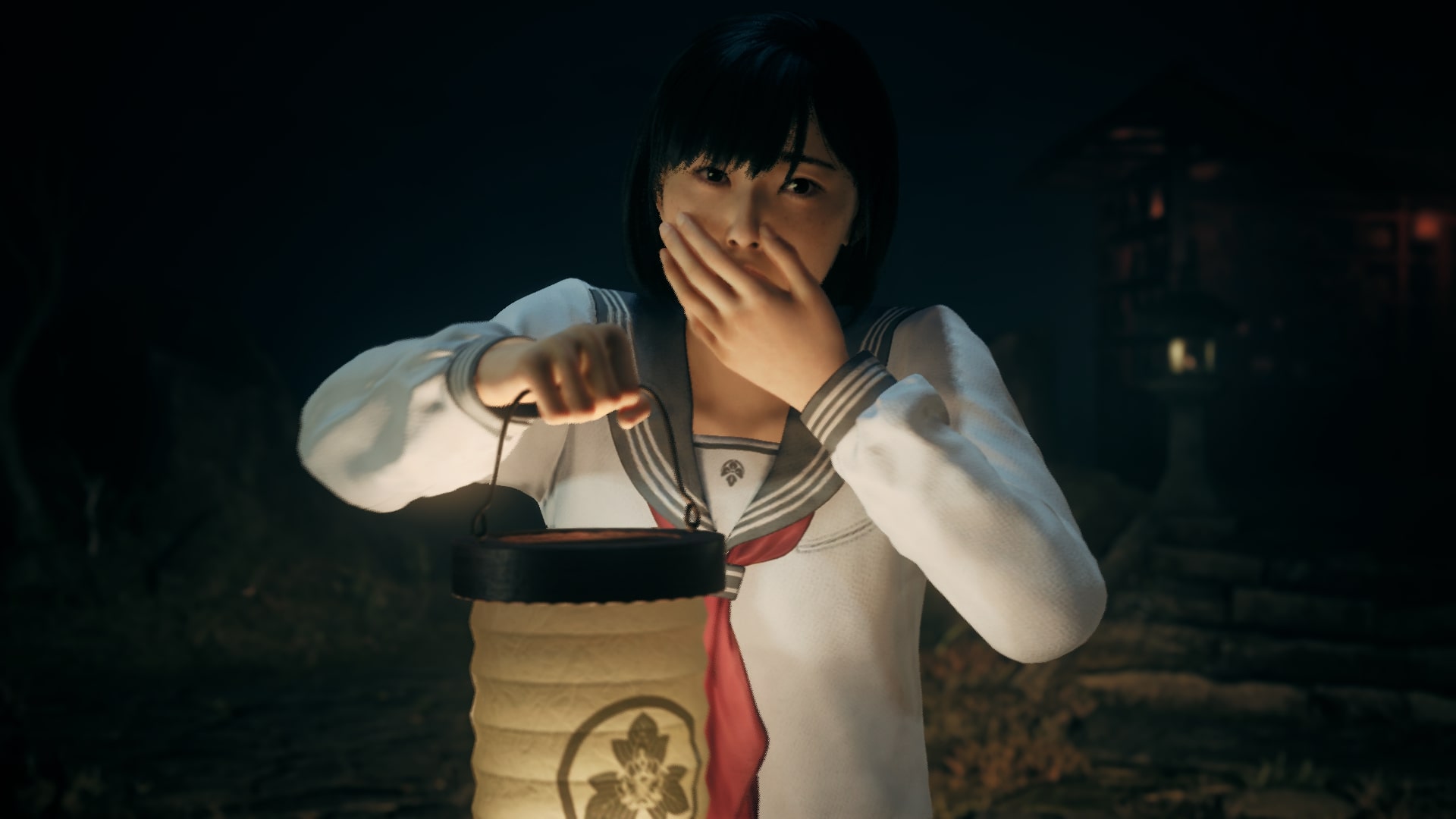
Silent Hill f: Hinako’s Journey from Fear to Strength
In the latest installment of Konami's iconic horror series, Silent Hill f, players follow Hinako, a protagonist whose terror is palpable from the very first encounter. Unlike many action-oriented survival horror leads, Hinako is vulnerable, emotional, and often unprepared, providing a fresh perspective on the psychological horror experience.
A Protagonist Defined by Fear
From the moment a flower-crowned monster attacks, Hinako’s reactions are authentic and visceral. She screams, dodges, and occasionally falls prey to hidden foes, losing chunks of health as players witness her struggle firsthand. Her frequent weeping and visible panic underscore her humanity, while brief flashes of adrenaline-fueled reflexes hint at an emerging resilience.
Neobards, the developer, explains that these moments of competence are intentional, designed to reflect Hinako’s desperation and survival instinct within a Soulslike combat system. This approach contrasts sharply with the usual “empowered” female leads in survival horror, such as those found in Resident Evil titles, highlighting the difference between fear-driven survival and traditional heroism.
Comparison with Contemporary Horror Leads
Hinako shares a unique distinction with Grace Ashcroft from Capcom’s upcoming Resident Evil Requiem: both are protagonists terrified by their surroundings. This approach harks back to classic Silent Hill entries like James Sunderland in Silent Hill 2 or Heather Mason in Silent Hill 3, where ordinary, unprepared characters face psychological torment.
Whereas other franchises, including Resident Evil, often feature competent heroes wielding firearms with confidence, Hinako is slow to gain power. Players must carefully manage dodging, stamina, and sanity while gradually learning combat patterns. Her growth is deliberately paced, reflecting a coming-of-age journey in rural 1960s Japan.
Gameplay Mechanics: EMA, Faith, and Combat Evolution
Combat in Silent Hill f is deliberate and sometimes clunky, emphasizing tension over fluidity. Weapons are scarce, and players must carefully plan engagements with monsters. The game introduces EMA and Faith mechanics, which act as upgrade currencies, allowing Hinako to increase health, stamina, and equip Omamori charms for combat advantages.
As players progress, Hinako evolves from a terrified teenager into a capable survivor. Each weapon acquisition, skill upgrade, and successful encounter adds weight to her transformation, reinforcing the idea that true strength emerges from confronting fear.
Psychological Horror Through Vulnerability
The game also explores the emotional core of the protagonist. Through her reactions, cutscenes, and intermittent heroism, players witness a journey of resilience and resourcefulness, providing a more grounded and relatable horror experience than traditional “action hero” leads.
Conclusion: From Helplessness to Heroism
By the third to fifth hour of gameplay, it becomes clear that Hinako’s initial weakness is a narrative tool. Her fear, vulnerability, and gradual empowerment make each encounter meaningful, giving players a strong emotional connection to her journey.
Silent Hill f emphasizes that courage is not the absence of fear but the ability to act despite it. Hinako’s evolution from terrified girl to resilient survivor demonstrates that horror can be both psychologically intense and deeply human. For fans of survival horror seeking a grounded, emotionally resonant experience, Silent Hill f offers one of the best entries in the series to date.
References:
-
Neobards, Silent Hill f official materials
-
Personal gameplay experience and analysis

Comments
Post a Comment