
Dying Light: The Beast – A Return to Kyle Crane with Parkour, Revenge, and Ferocity
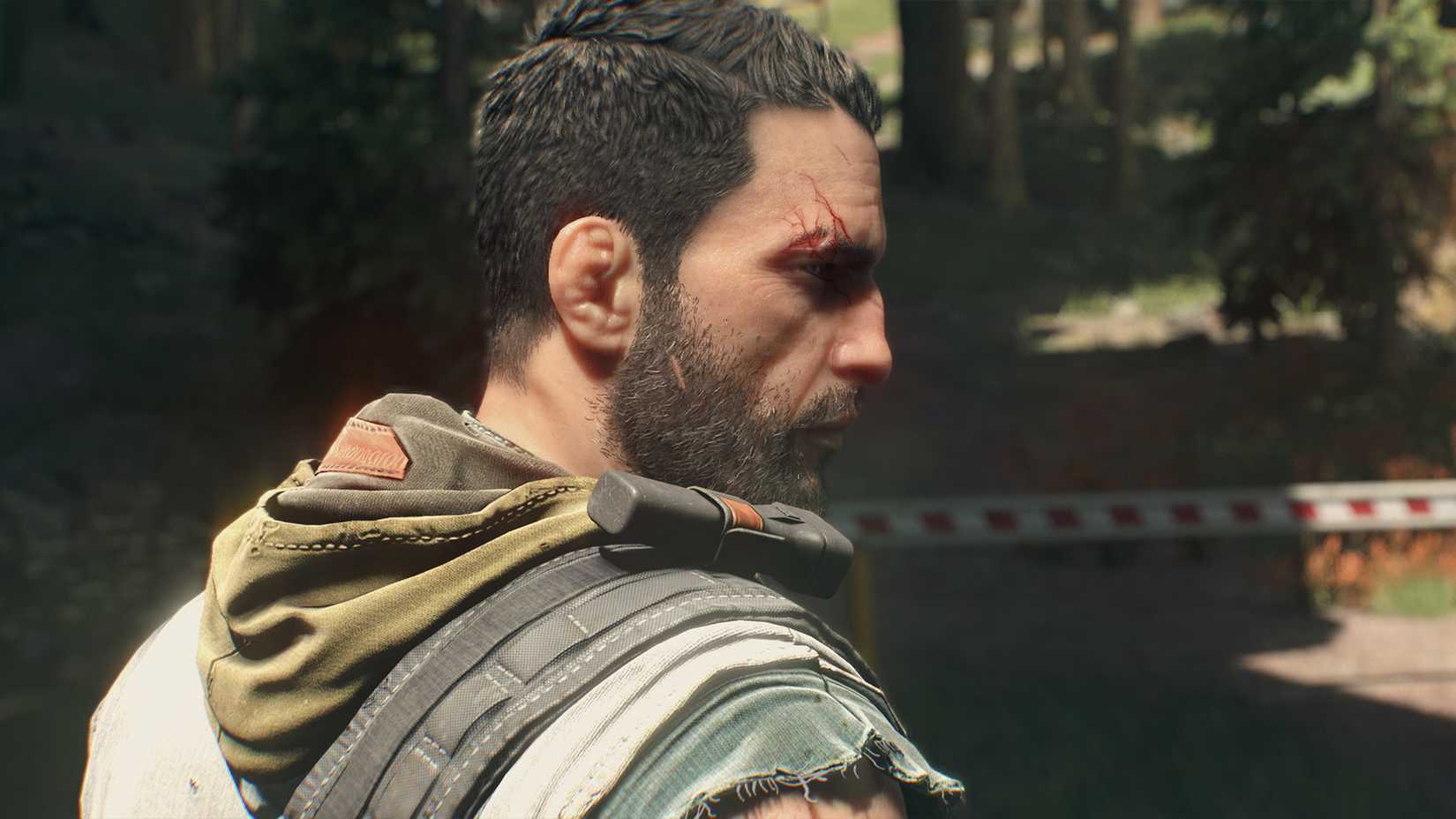
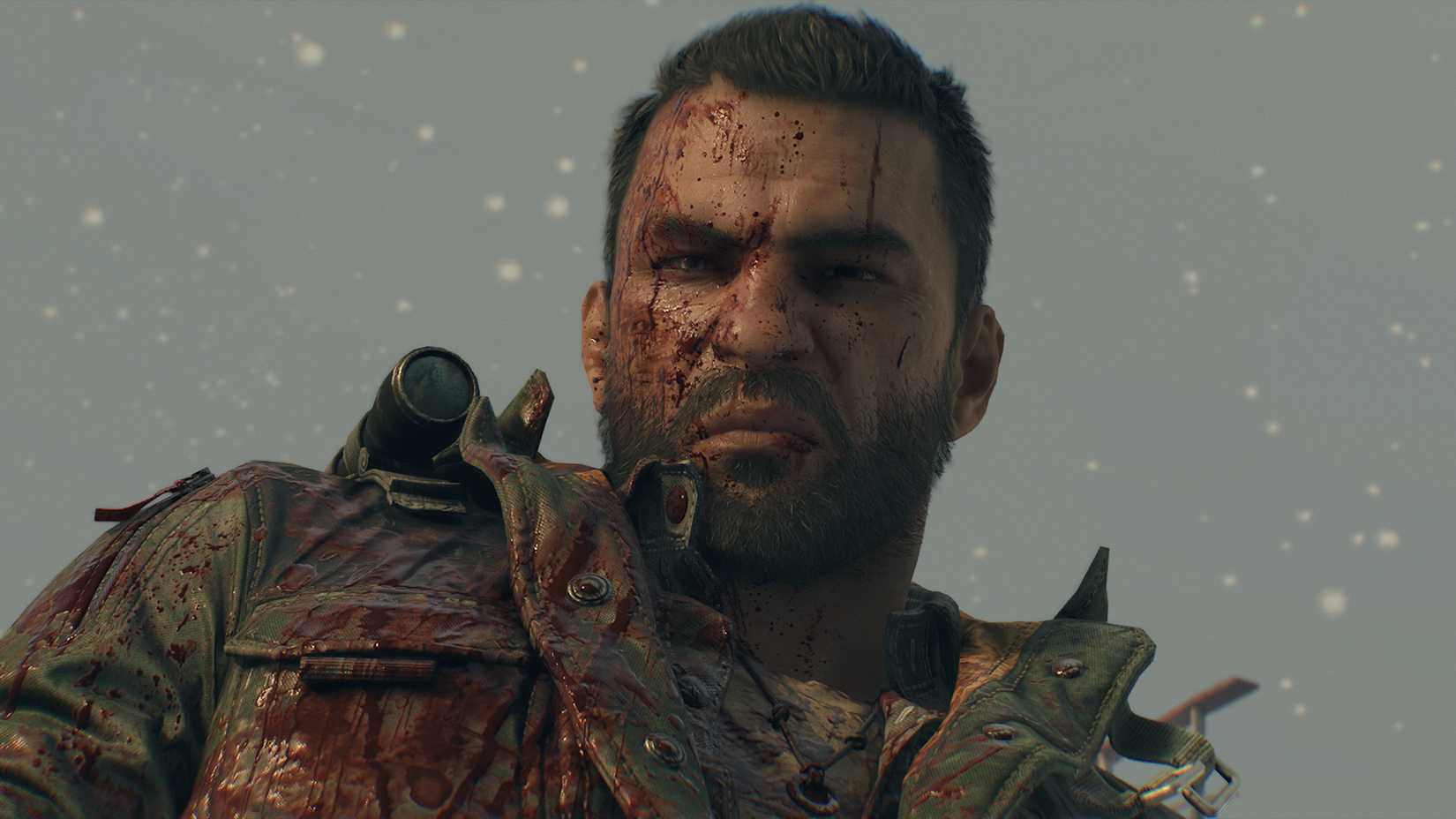
Kyle Crane and the Story of Revenge
In Dying Light: The Beast, players reprise the role of Kyle Crane, the protagonist of the original Dying Light. After being captured by the villainous Baron and subjected to thirteen years of painful experiments, Crane escapes—but not unchanged. Now half-human and half-beast, he struggles to control the monster within as he plots revenge using his newfound powers.
The Baron serves as a ruthless antagonist, though his intermittent appearances mean that his threat often feels more symbolic than immediate. The linear main storyline revolves around Crane’s quest for vengeance, but the game’s strength lies in its side missions, which highlight Crane's human and compassionate side, adding depth to the protagonist beyond his primary revenge-driven motivations.
Gameplay Innovations: Beast Mode and Chimera Encounters
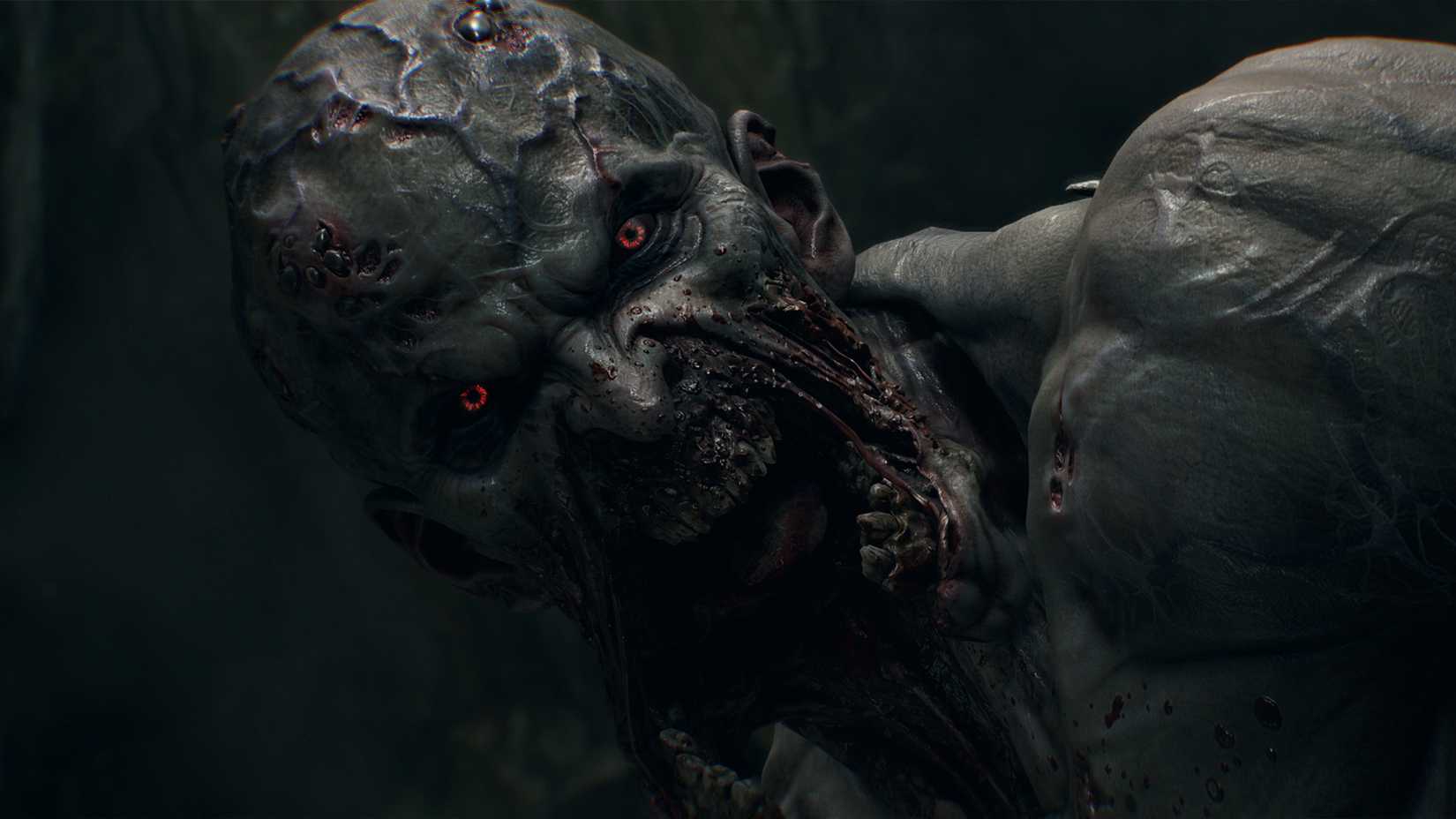
Dying Light: The Beast introduces a new gameplay dynamic: Beast Mode, in which Crane taps into his monstrous abilities. Players periodically face dangerous Chimera creatures, earning skill points to enhance Beast Mode powers. The mechanics resemble God of War’s Spartan Rage, temporarily increasing damage output and resistance while unleashing devastating attacks.

Chimera battles are unique and demanding, requiring adaptation as some enemies attack from range, while others hurl massive objects or charge aggressively. Defeating these foes rewards players with skill points that can be spent on Crane’s Beast tree, making him more formidable for the ultimate showdown with the Baron.
Parkour, Environment, and Open World
Parkour remains central to the Dying Light experience, and The Beast maintains its fluid movement system despite the more open areas of Castor Woods. Players can explore breathtaking landscapes via parkour, though occasional climbing inconsistencies and environmental hazards can disrupt momentum.
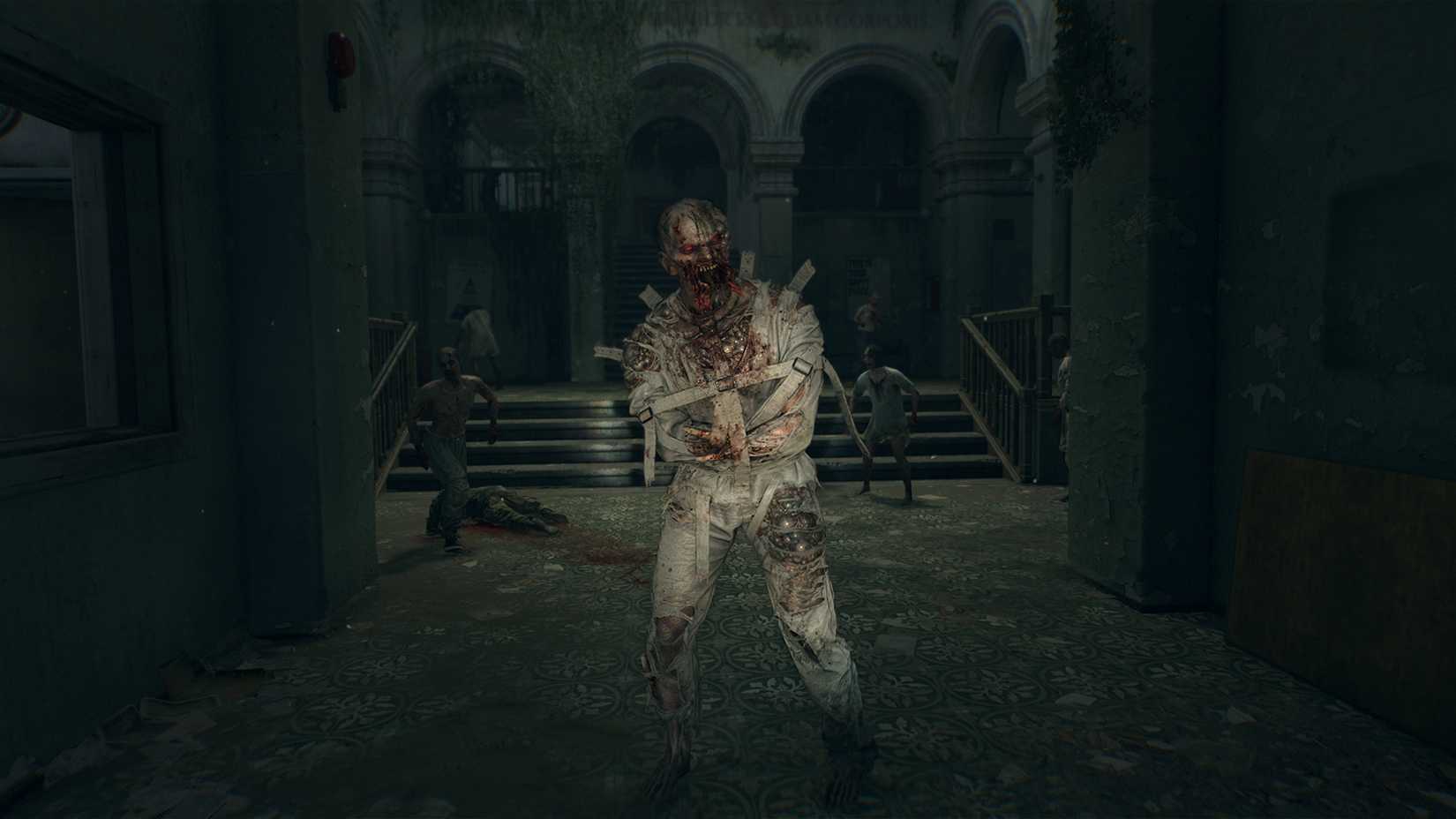
The open world is vast, with dense Dark Zones providing loot, resources, and challenges. While repetitive elements exist, the day-night cycle encourages strategic gameplay. Nighttime offers double experience points, though players can avoid darkness if preferred. The game's environments balance beauty and danger, offering some of the series’ most visually stunning locations to date.

Weapons, Crafting, and Resource Management
Players have access to a wide arsenal, including melee weapons, ranged arms like bows and crossbows, and throwable items such as knives and Molotov cocktails. Crafting remains integral, though high-quality gear can be costly due to scarce resources like feathers for bows.
The intuitive equipment system allows players to combine effectiveness and aesthetics, ensuring that weapon choice complements both gameplay and style. Overall, combat is enriched by Beast Mode and diverse enemy types, though crafting balance may frustrate resource-conscious players.
Performance and Technical Notes
On PC, Dying Light: The Beast runs smoothly with stable frame rates, short load times, and minimal visual glitches. While performance on consoles is not fully detailed, the PC experience appears well-optimized, enhancing immersion in both exploration and combat.
Conclusion: A Refined Dying Light Experience



References:
-
Techland, Dying Light: The Beast official game materials
-
Personal gameplay experience and analysis
Comments
Post a Comment